01
Dhikala Zone
The heart of the park, and the only zone you can sleep inside.
Open 15 Nov – 15 Jun
Dhikala zone guide
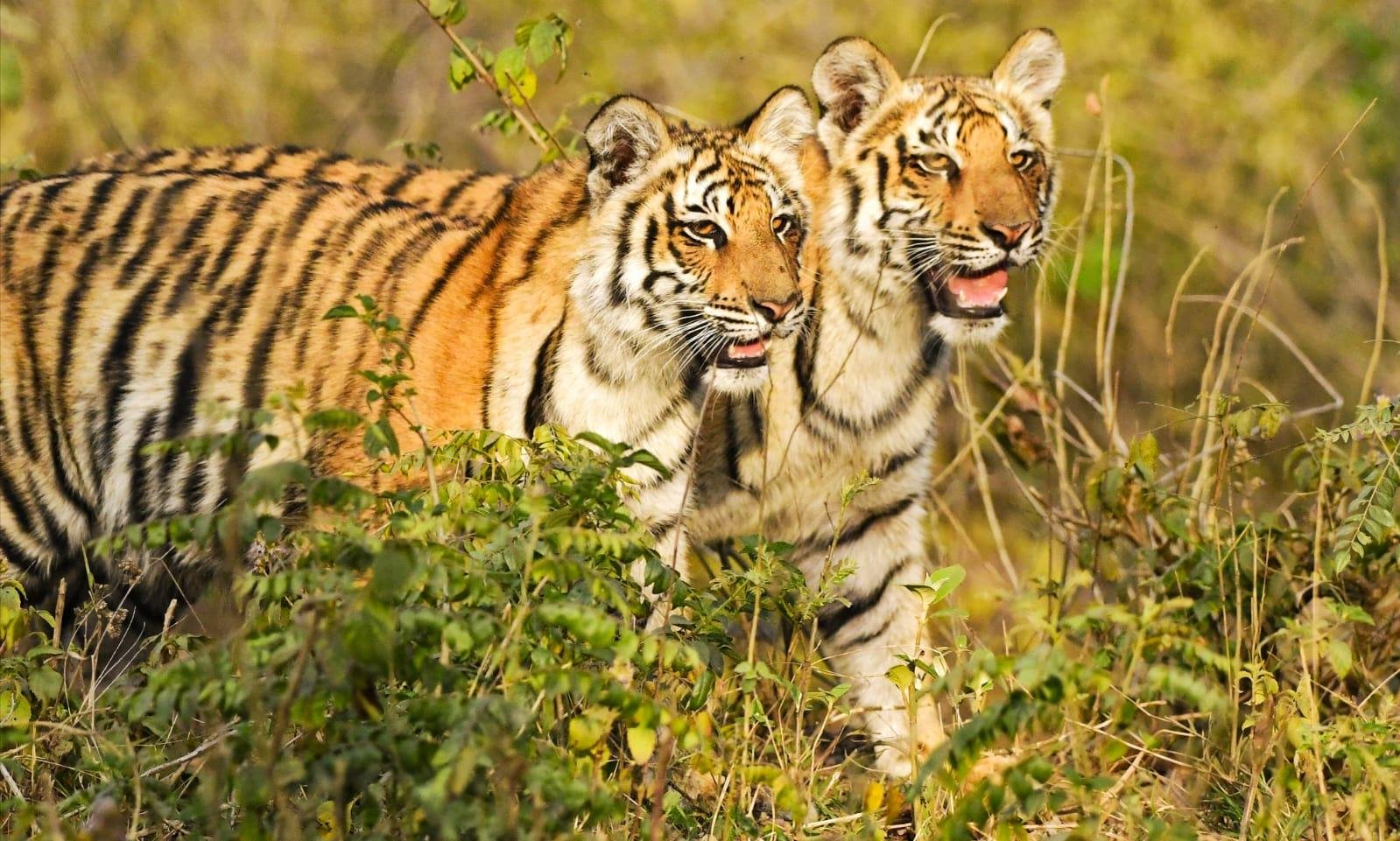
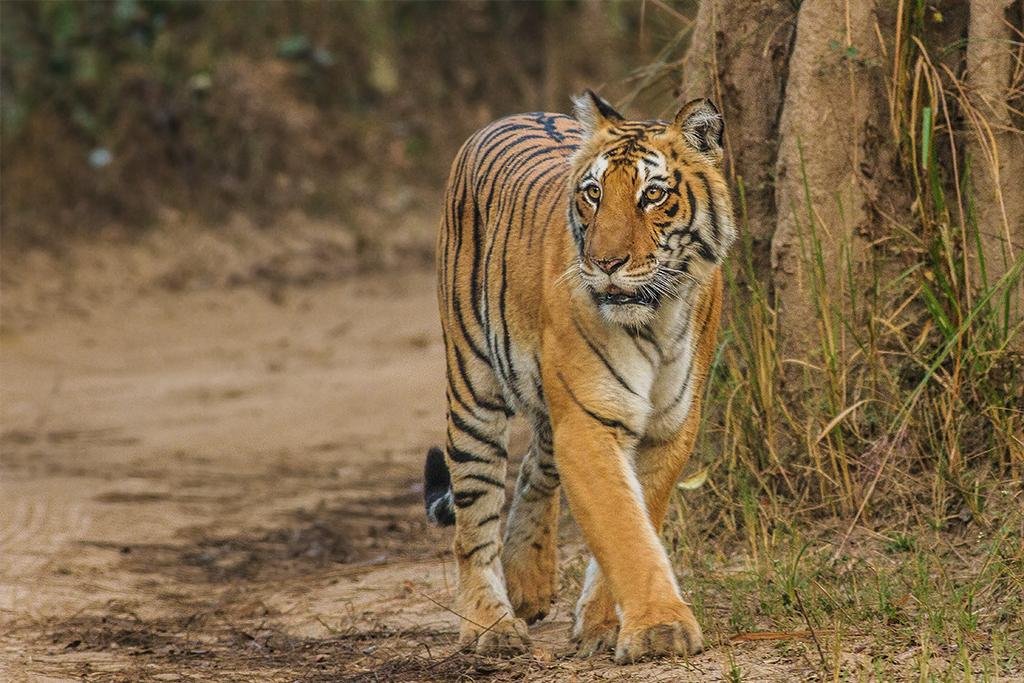
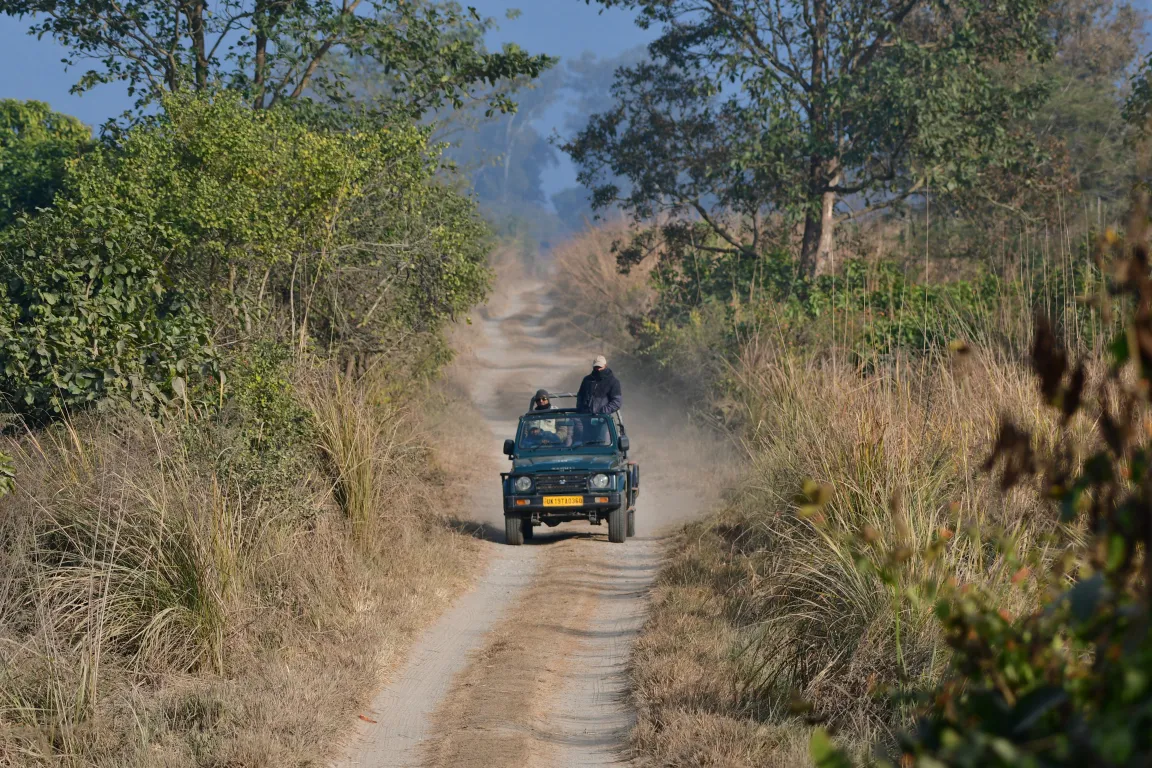
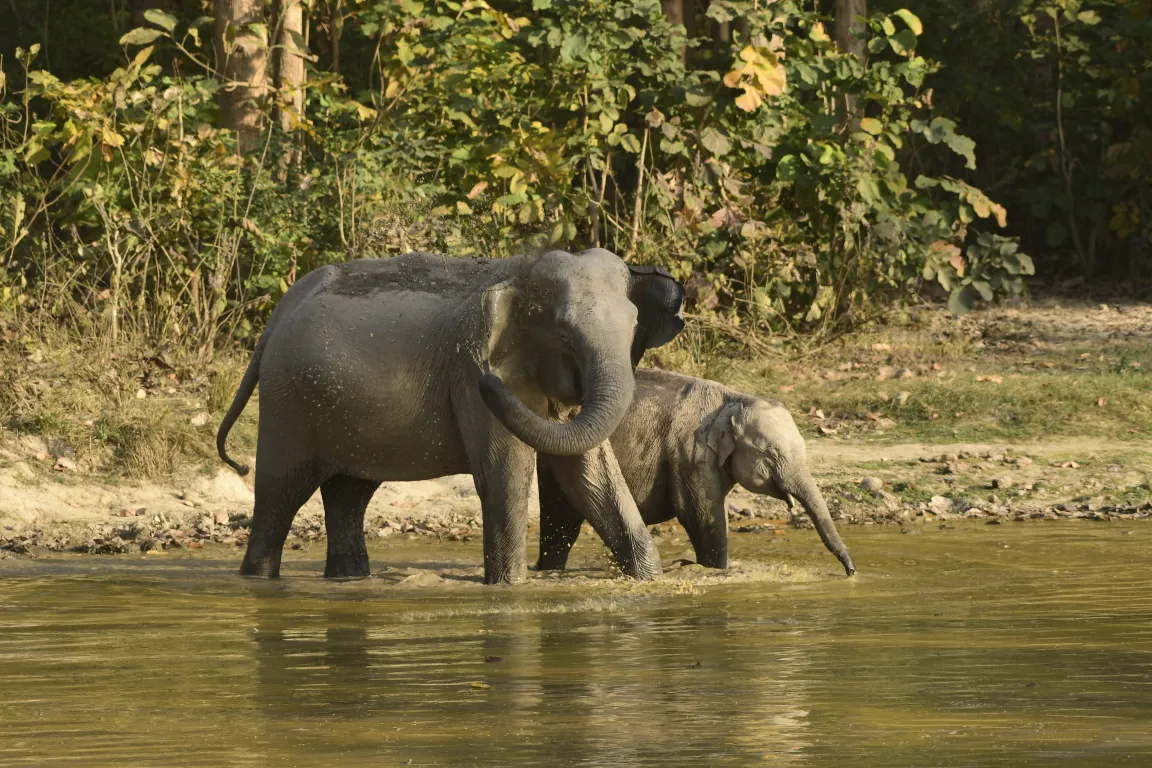
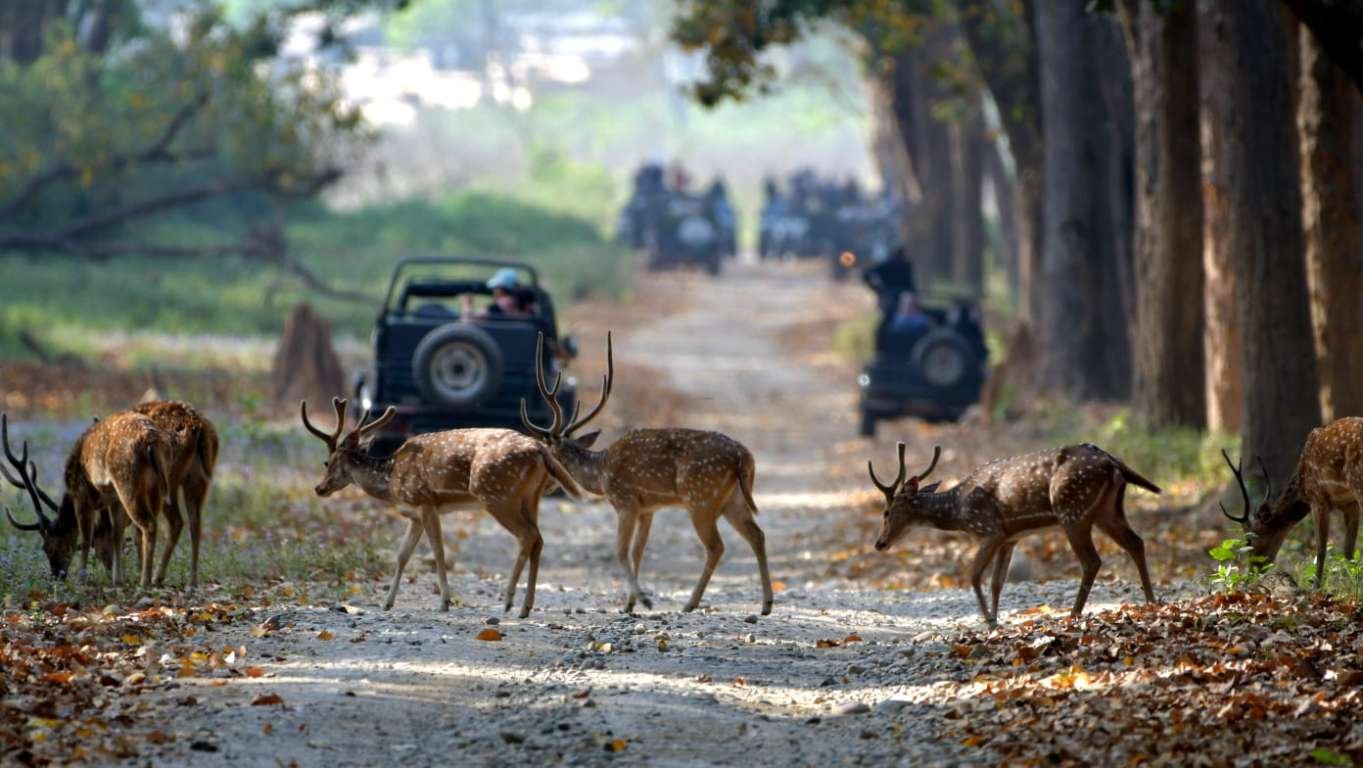
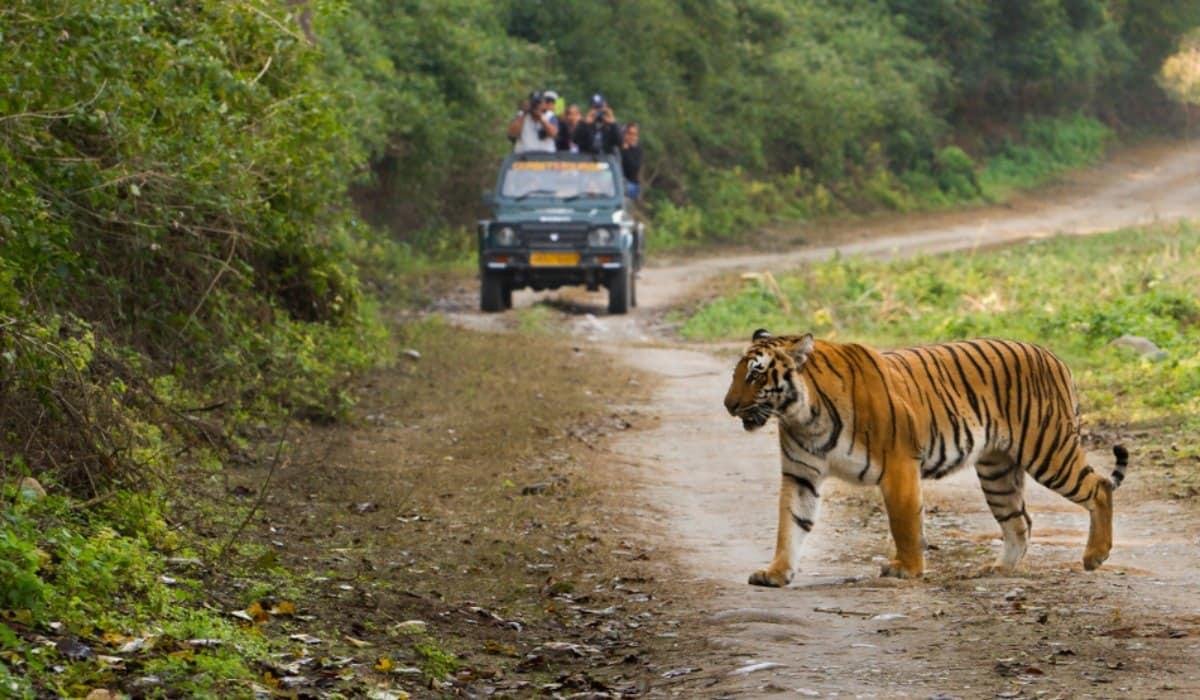
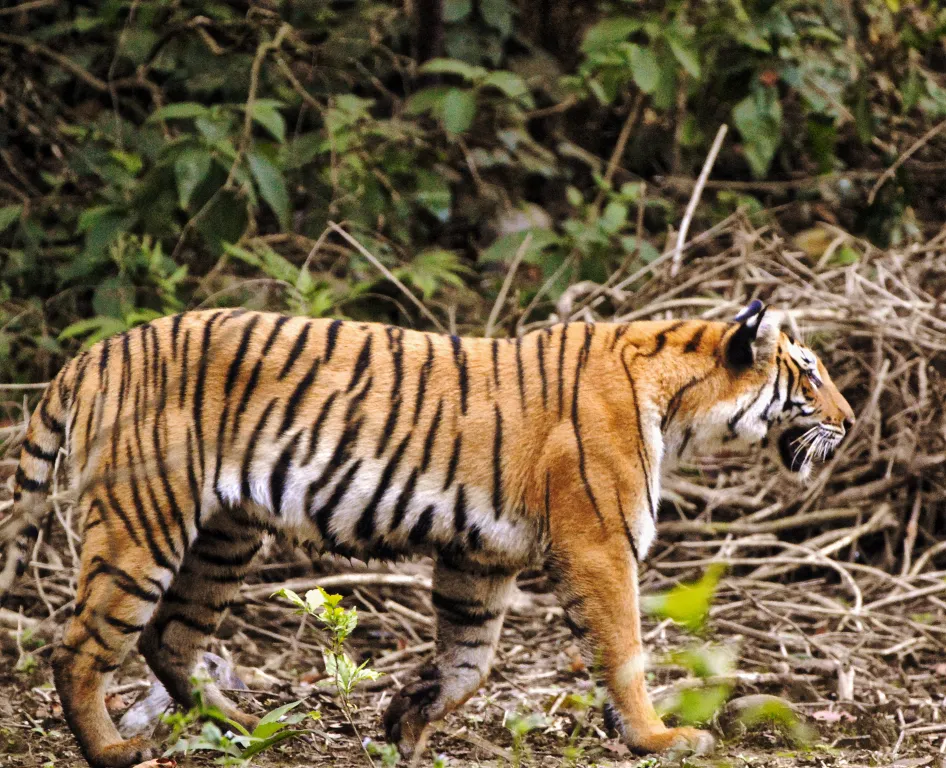
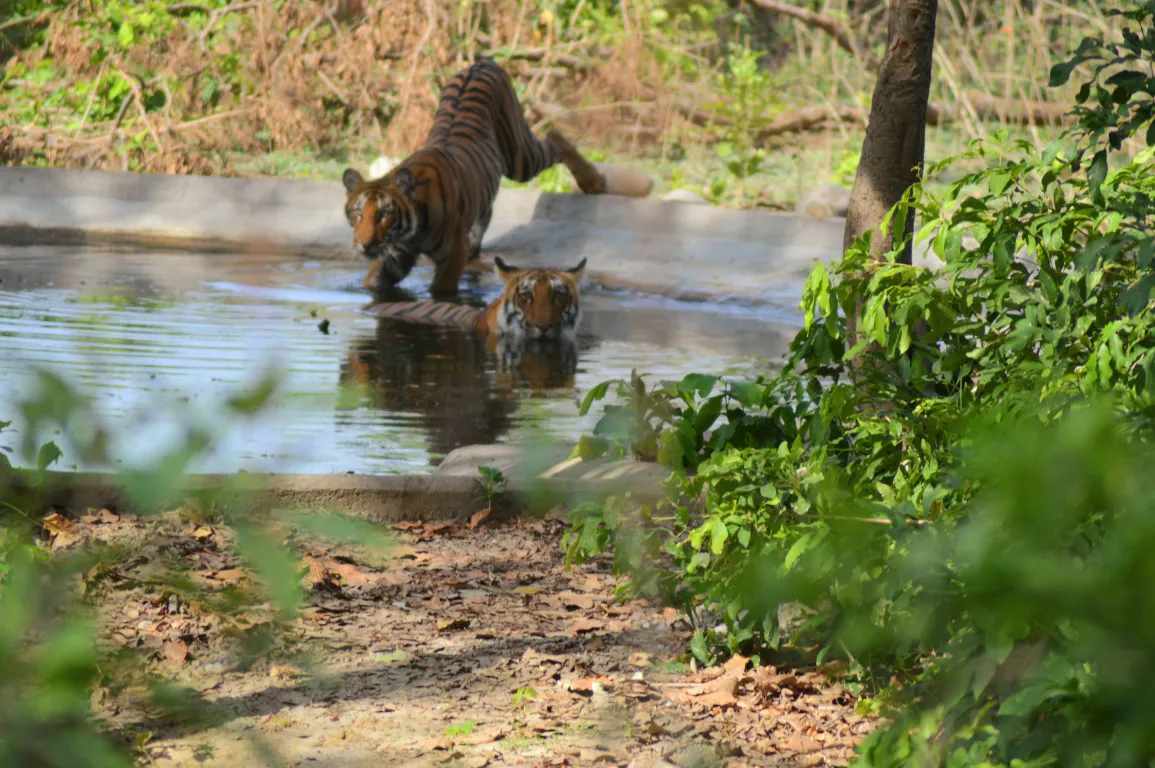
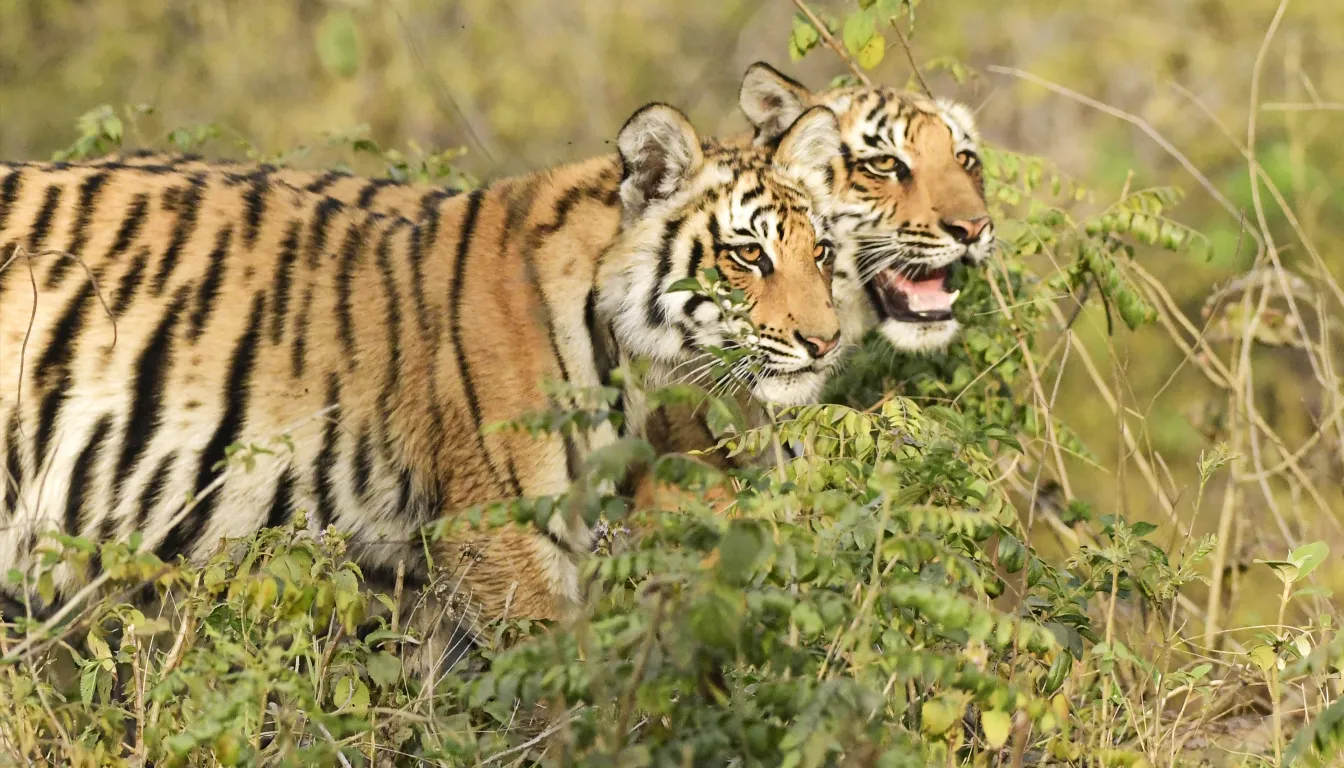
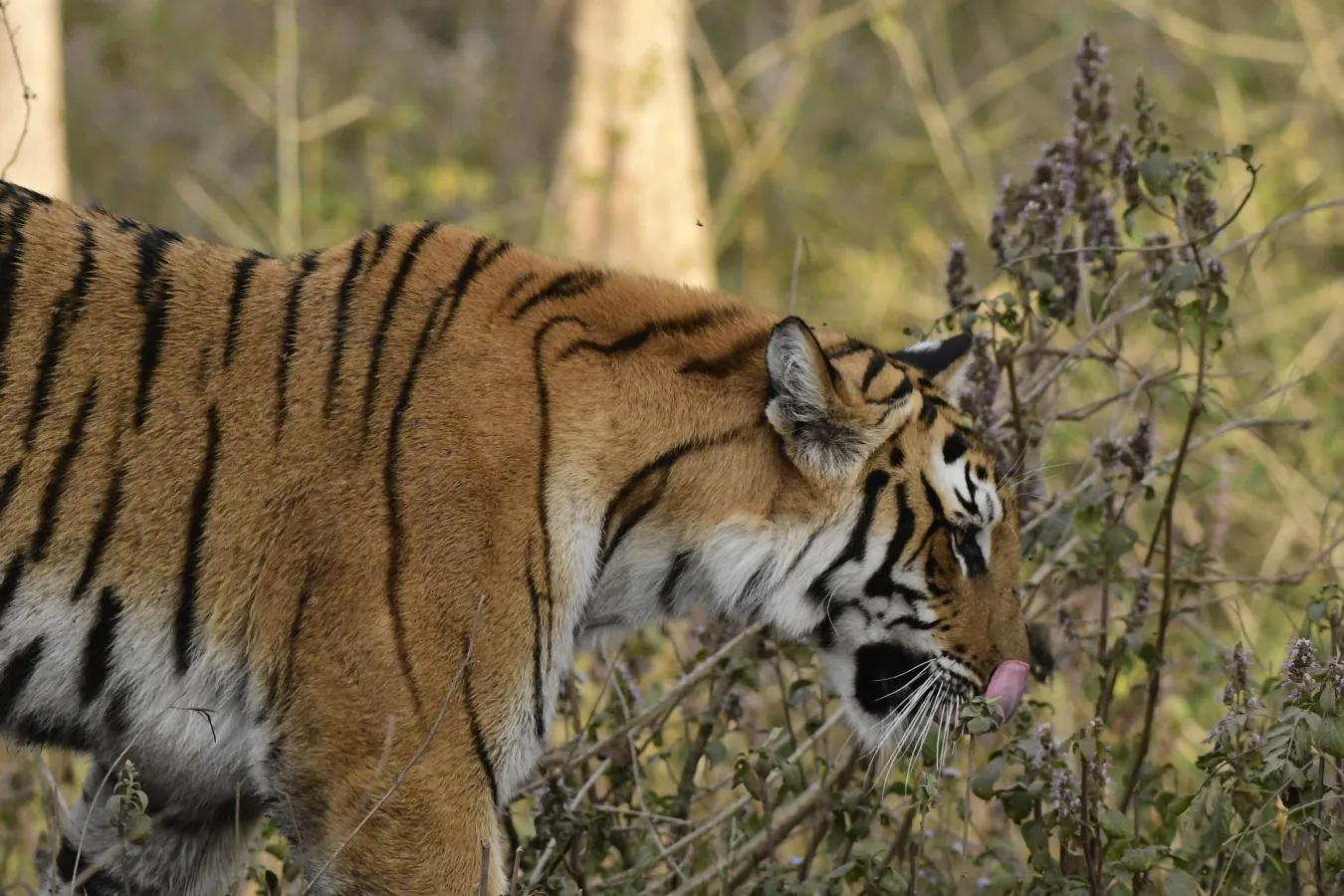
Corbett holds one of the densest tiger populations in India. In the right zone, at the right hour, you watch families like this from the back of a jeep.
01/ 05
01The park, in short
Declared in 1936, renamed after Jim Corbett in 1957, and the place Project Tiger began in 1973. Ninety years on it is still a working forest — not a managed attraction.
Corbett sits in the Ramnagar district of Uttarakhand, on the line where the Himalayan foothills drop into the plains. That position is the whole reason it holds so much: sal forest, open grassland chaurs, the Ramganga river and a reservoir, all inside one boundary.
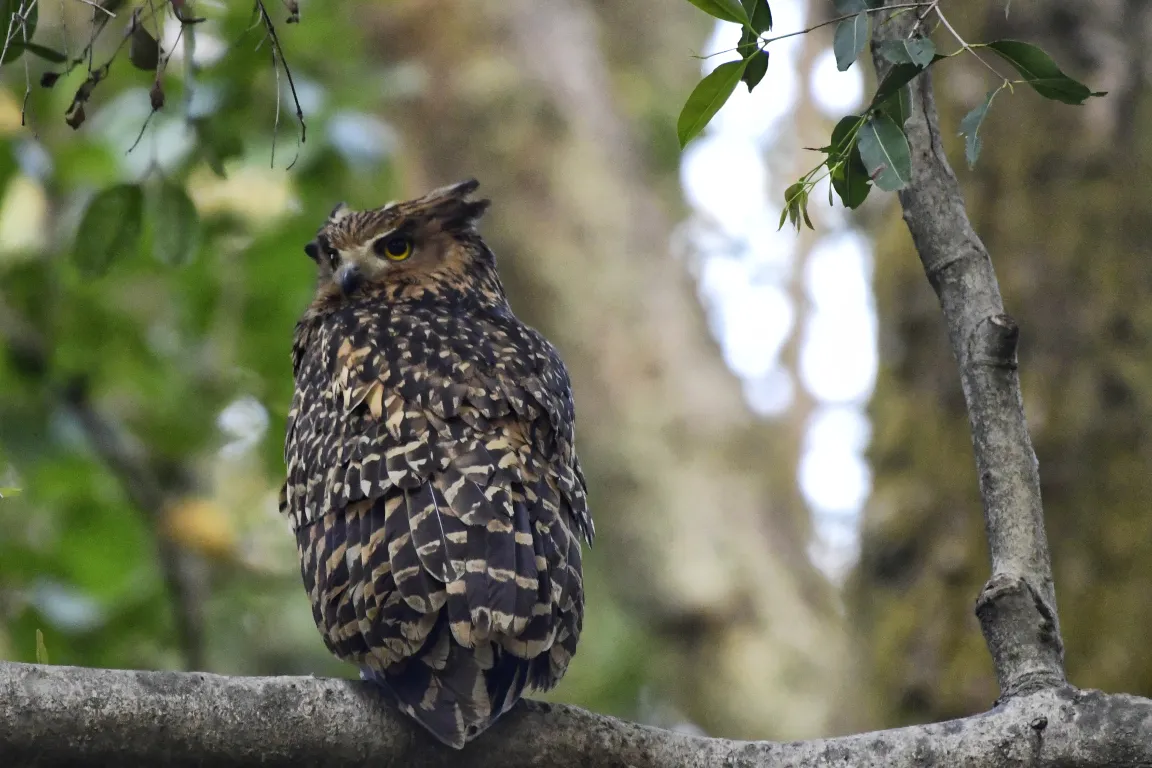
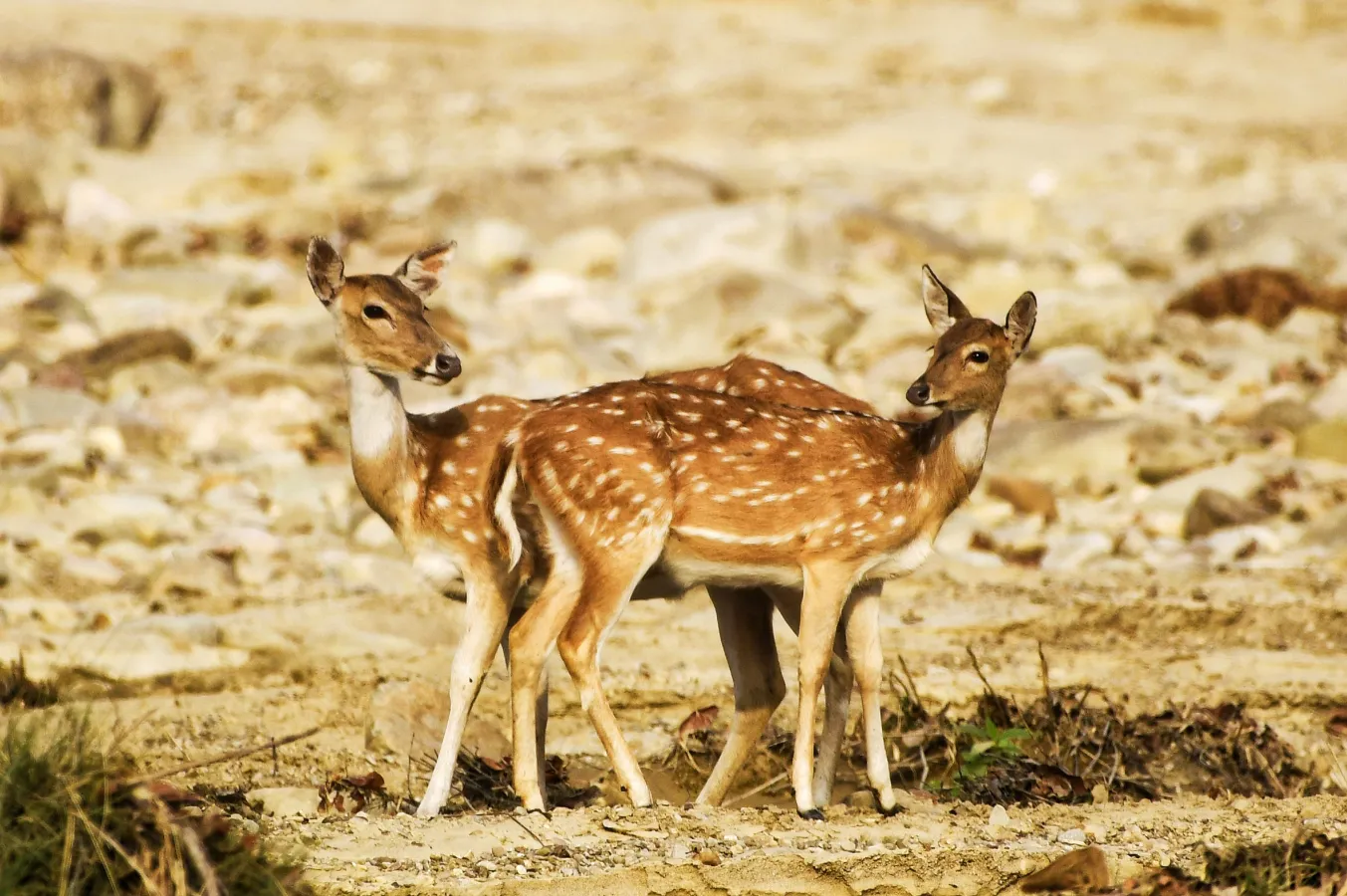
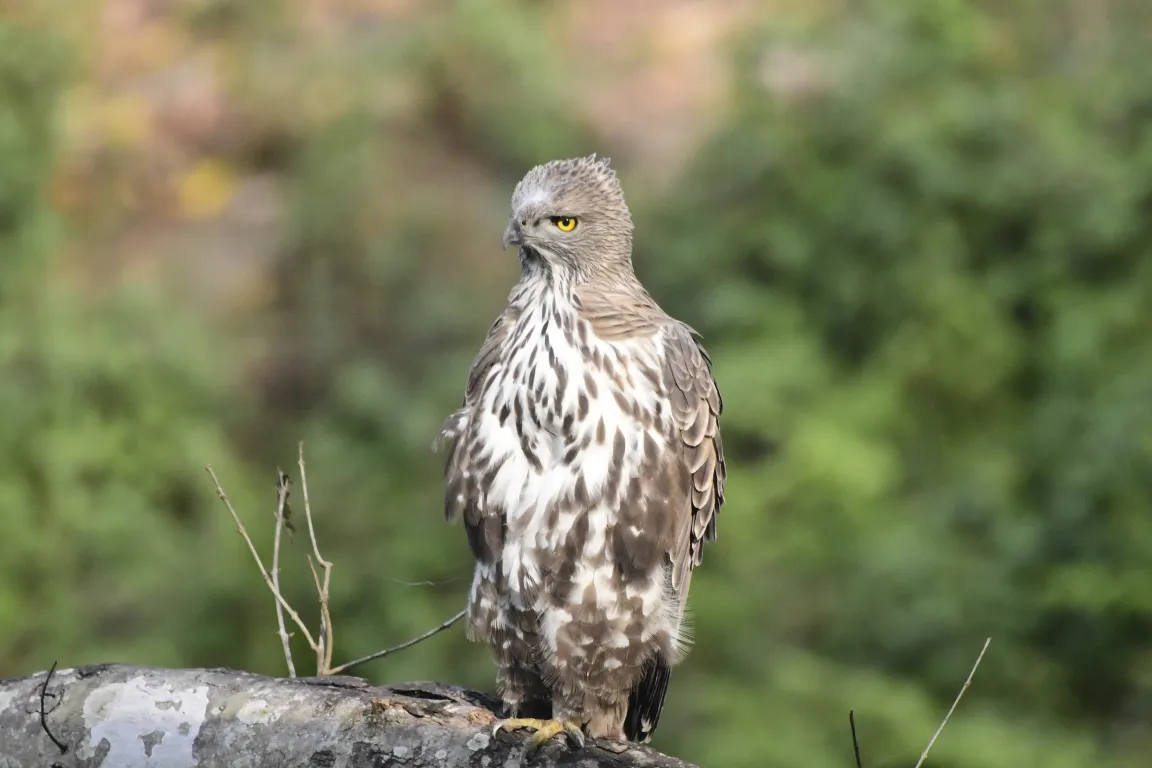
The variety is why Corbett carries one of the highest tiger densities anywhere in India, alongside elephant, leopard, sloth bear, gharial and more than six hundred recorded bird species. Villages sit at its edge, and people and animals have been negotiating that boundary for a very long time.
Visitors do not roam it freely. The park is divided into six zones, each with its own gate, its own season and its own permit — which is why choosing the right one matters more than anything else you decide.
Half the park closes for the monsoon, and half of it never does. These are the opening months for each zone — they shift by a week or two each year with the weather and the Forest Department's call.
02Safari zones
Corbett is not one forest with one gate. Each zone has its own entry point, its own open season and its own permit — and which one you book decides most of what you will see.
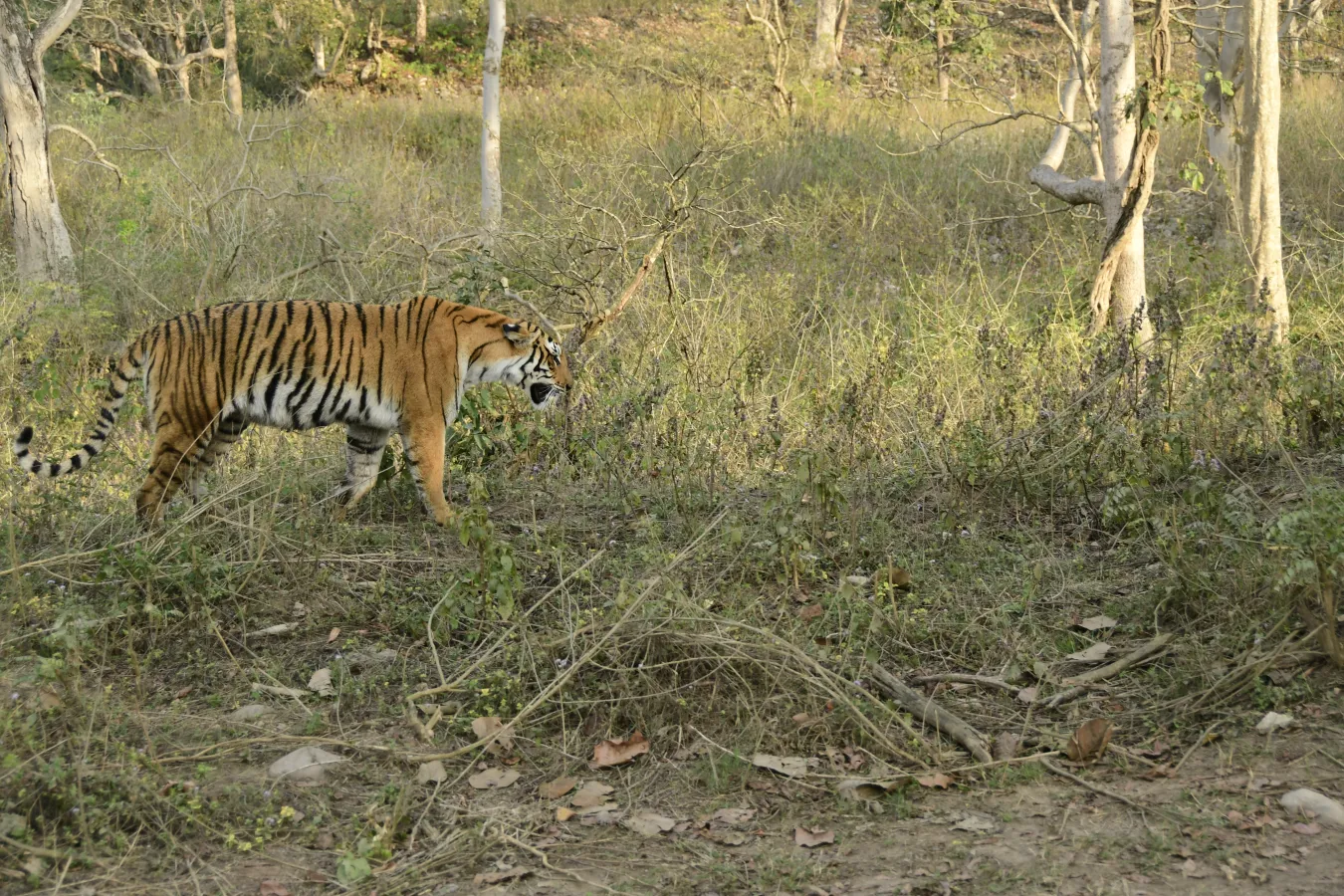
The heart of the park, and the only zone you can sleep inside.
Open 15 Nov – 15 Jun
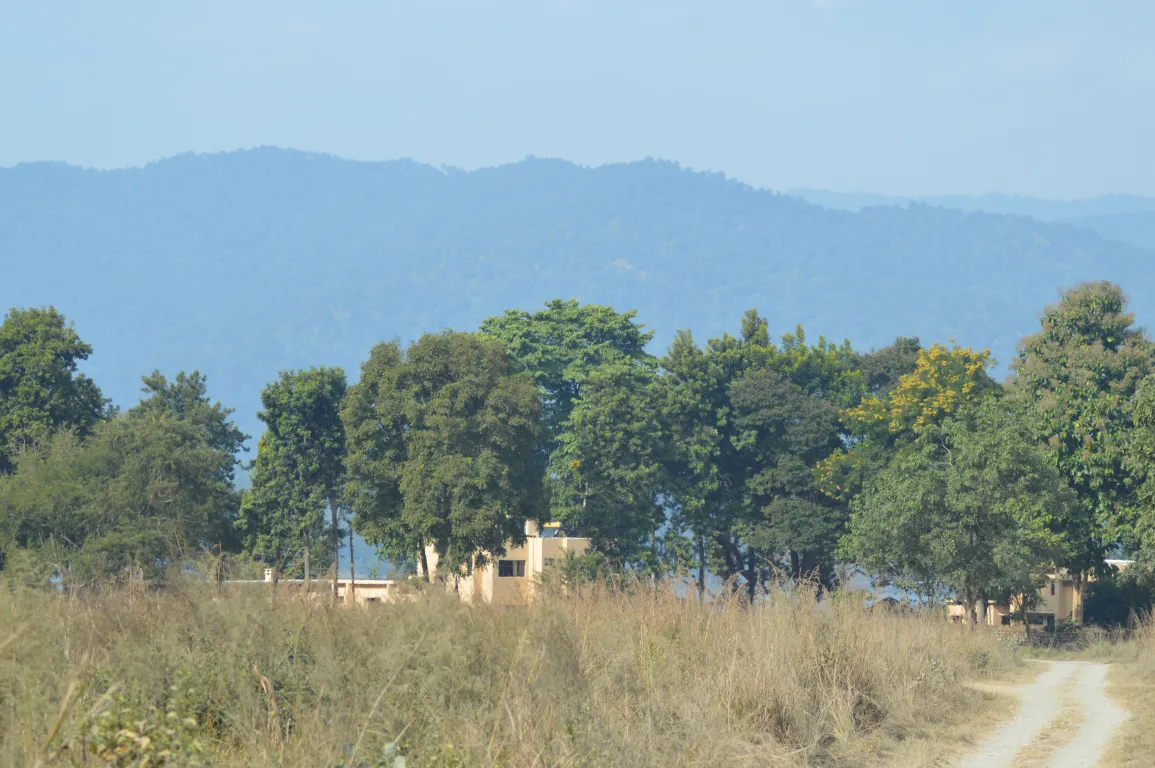
Dhikala zone guideClosest to town, and the easiest good safari to get.
Open 15 Oct – 30 Jun
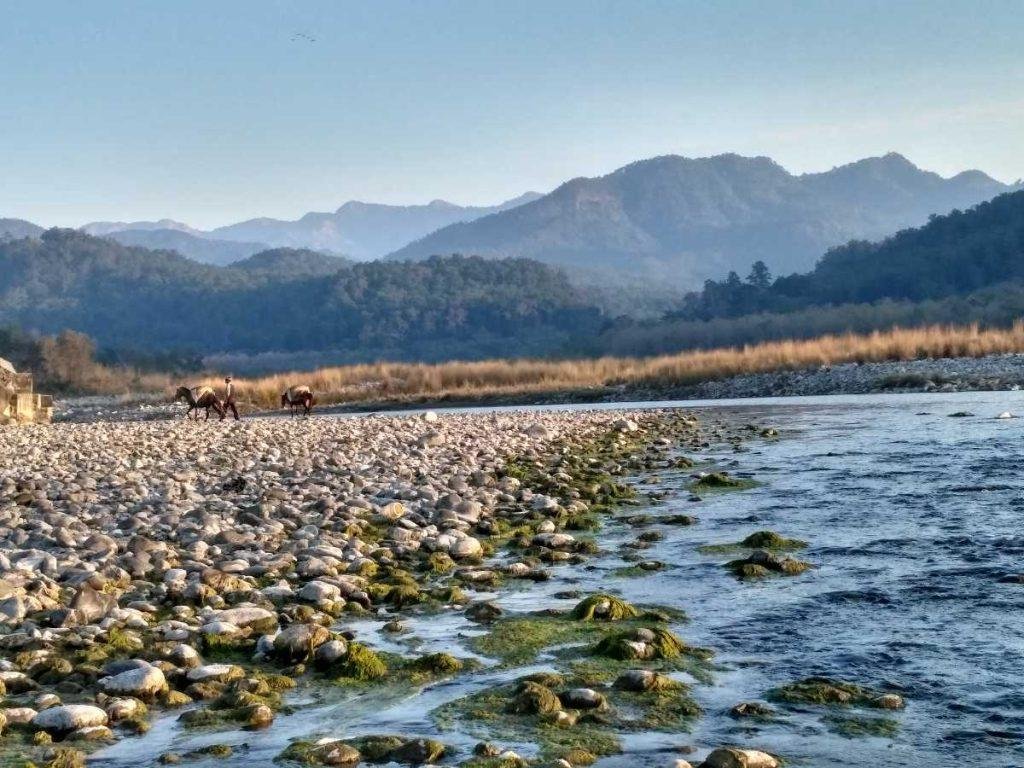
Bijrani zone guideHills, two rivers, and the finest birding in Corbett.
Open 15 Oct – 15 Jun
Durga Devi zone guideNo core permit needed, no closed season, wonderful birds.
Open all year
Sitabani zone guide03Gallery
04News & media
Ajkal recorded a podcast with us about running small-group safaris out of Kolkata, and why we work one park properly instead of selling forty.
A look at why families from Bengal are choosing the overnight train and small operators over flights and big packages.
05Guest reviews
They booked a Corbett trip with us and filmed parts of it themselves — the same jeeps, the same guides, the same forest rest house. Nothing was arranged for the camera.
Everything from Howrah station to the jeep was handled. We only had to turn up. We saw a tigress with two cubs on the second morning.
They talked us through it in Bangla, which mattered a lot for my mother. Nothing was hidden and nothing cost extra at the end.
The Dhikala night was the best part of our year. Our guide knew exactly where to wait, and why. We came back with photographs we still cannot quite believe.
06Going there with us
We are a Howrah family with our own team at Ramnagar. If you would rather not work out trains, permits and zones by yourself, these are the trips we are running right now — Howrah to Howrah, with the train fare inside the price.
Our October departure, running from Kolkata. Return train fare, resort stay, jeep safaris and every forest permit are inside one per-person price.
Seats are limited — October dates fill first.
07Planning notes
The park is entered from Ramnagar, the small town on its southern edge where the Forest Department office and most gates sit. Every safari, whichever zone, starts from there.
Ramnagar has its own railway station, though direct services are limited. Most travellers from eastern India come via Moradabad or Kathgodam and drive the last stretch — about two to three hours. From Kolkata the journey is roughly 1,500 km and takes a night and a morning.
From Delhi it is a seven to eight hour drive via Hapur, Moradabad and Kashipur. The nearest airport is Pantnagar, about 80 km away, with limited flights; most people fly to Delhi and drive or take a train from there.
Resorts cluster along the Kosi river near Ramnagar and around the Bijrani and Dhela gates. Inside the park, the Forest Department runs rest houses — Dhikala being the famous one — which must be booked well in advance and are the only way to sleep inside the boundary.
A jeep safari permit for Indian nationals typically runs a few thousand rupees per vehicle including the guide, split among up to six people. A Dhikala night costs considerably more and sells out months ahead. Our own tours from Kolkata start at about ₹10,300 per person with the train, stay, safaris and permits all included.
08Common questions
The things people ask us most, answered straight. If yours is not here, WhatsApp gets a faster reply than email.
Ask us directlyThe core zones — Dhikala, Bijrani and Durga Devi — run roughly from mid-October to mid-June and shut for the monsoon. Jhirna, Dhela and Sitabani stay open all year. Exact dates shift a little each season with the weather and the Forest Department's decision.
For sightings, Dhikala. For an easy first visit, Bijrani. For monsoon travel, Jhirna or Dhela. For birds, Durga Devi. There is no single best zone — only the best zone for your dates and what you want to see.
For Dhikala, three to four months. For Bijrani on a weekend or holiday, six to eight weeks. For Jhirna, Dhela and Sitabani, two to three weeks is usually fine. Train tickets from Howrah also open 60 days ahead.
If you travel with us, no. We book every permit in your name using your ID details, which the park requires by law. You carry the same original ID, and we send you the permit copies before you travel.
No, and nobody honestly can. Corbett is a wild forest, not a zoo. What can be controlled is the zone, the hour and the guide, which is why some trips see far more than others. Anyone promising a guaranteed sighting is not being straight with you.
Yes. Every tour price includes return train tickets from Howrah, normally Sleeper or 3AC depending on the tour. You do not book them separately, and if the class you want is unavailable on your dates we tell you before you pay.
Which zone suits your dates, whether permits are still open, how to reach Ramnagar from where you are. No obligation to book anything with us.
Prefer to talk? +91-9874042541 or +91 99036 56266